
"chemical esters"
60 article(s) found

"Coffee roaster companion" the chemical substances of raw beans the structure and changes of coffee beans
Chapter 2: chemical substances of raw beans author: Scott Rao translator: Huaxia coffee raw beans are strong and green seeds, 50% of which are different forms of carbohydrates, and the other 50% are composed of water, proteins, lipids, acids, and various biological bases. Coffee roasters can bake good coffee without knowing the many chemicals in raw beans, but

Drinking coffee helps to break down fat and achieve slimming effect.
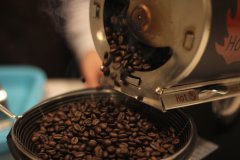
According to the Russian mailbox news network, scholars at the University of Georgia in the United States have shown that coffee contains an ingredient called chemical esters, which can help break down fat and achieve the effect of losing weight. American scholars took the experimental mice as the research object, which lasted for 15 weeks. During this period, the researchers fed the experimental mice a high-calorie diet and injected the mice with coffee twice a week.
Boutique coffee healthy lifestyle drinking coffee helps break down fat
According to the Russian mailbox news network, scholars at the University of Georgia in the United States have shown that coffee contains an ingredient called chemical esters, which can help break down fat and achieve the effect of losing weight. American scholars took the experimental mice as the research object, which lasted for 15 weeks. During this period, the researchers fed the experimental mice a high-calorie diet and injected the mice with coffee twice a week.
Coffee can treat retinal detachment in patients with glaucoma
According to the Russian Communist Youth League Truth newspaper on May 10, the chemicals contained in coffee can treat retinal detachment in patients with glaucoma. Scientists continue to look for substances in coffee that are good for the human body. Pharmacists at New York University have shown that coffee can effectively treat glaucoma because of its antioxidant capacity. Chlorogenic acid in coffee is a strong oxidant, caffeic acid ester in coffee

The truth that ordinary coffee makers don't want to tell.
The basic ingredients of a good cup of coffee are freshly roasted beans. Once the coffee beans are roasted, the extremely important acidic fat and volatile fat in the coffee beans will change chemically once they come into contact with the air. The esters and aldolases in the aromatic compounds of coffee are the most volatile, which will worsen the taste of coffee. It's not just the volatilization of aromatic substances.
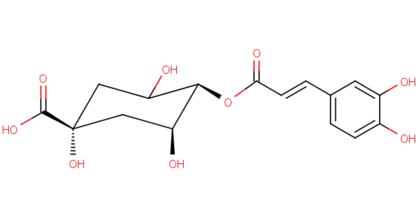
SCAA Emma Bladyka chlorogenic acid: the importance of chemical changes in chemistry and reality baking
What are they? Many plants contain chlorogenic acid in addition to caffeine. Acids have this very similar structure in the Luyuan Group, and the composition of an ester usually includes caffeic acid and quinic acid as components. All chlorogenic acids belong to a larger class of phenolic acids. In nature, phenolic acids are usually used as defensive compounds by plants, or as a signaling mechanism between plants and soil microorganisms. they
The chemical composition of coffee
Coffee is a complex mixture of potential "neutriceuticals". The chemical composition of coffee is determined by a number of factors: agriculture, roasting, blending, and brewing. The main elements of coffee have been known for more than half a century.

The chemical composition of coffee
Main chemical composition of raw coffee beans: content (%) carbohydrate 60.0 reducing sugar 1.0 sucrose 7.0 pectin 2.0 starch 10.0 garrison 5.0 hemicellulose 15.0 holocellulose 18.0 lignin 2.0 aroma: aroma is the life of coffee quality, but also the best performance of coffee production process and baking technology, climate, elevation, variety, refinement
Which sugar substitute do you choose when drinking coffee?
White. Pink. Blue. Yellow. Walk into any restaurant and you can immediately know what's in it by the color of the sweetener package on the table.
Coffee common sense the sugar you need to drink coffee
White. Pink. Blue. Yellow. Walk into any restaurant and you can immediately know what's in it by the color of the sweetener package on the table. Sugar. Saccharin. Aspartame. Sucralose. Which one do you choose to pour into the coffee cup or teacup? Sometimes, it feels like playing roulette. Various claims about the safety or unsafety of sweeteners are confusing

Aroma is the life of coffee quality-the best expression of coffee production process and roasting technology
Aroma is the life of coffee quality, and it can best represent the coffee production process and baking technology, as well as the climate, elevation, variety, refined treatment, harvest, storage, and the appropriateness of baking technology in the consuming country. The aroma of coffee was analyzed by gas chromatography, which proved that it was composed of acid, alcohol, acetaldehyde, ketone, ester, sulfur compound, phenol and nitrogen.

Main chemical constituents of raw coffee beans
Tannin: after extraction, tannin will turn into a yellowish powder, which is easy to blend into water. After boiling, it will decompose and produce pyrosylic acid, which will make the coffee taste worse. If the coffee is soaked and left for several hours, the color of the coffee will become stronger than when it was just soaked, and it is not tasty enough, so it is said that it is best to finish it as soon as possible. Fat: the fat contained in coffee, in flavor.

The chemical composition of coffee
Caffeine is the most eye-catching of all the ingredients of coffee. It belongs to plant xanthamins (animal muscle components) and has the same properties as theobromine in cocoa and theophylline in green tea.
Biodiesel or coffee grounds
A new study by the Centre for Sustainable Chemical Technology at the University of Bath suggests that spent coffee grounds can be used to make biodiesel and have the potential to be a sustainable source of second-generation biofuels. The findings were published in the latest issue of ACS journal Energy and Fuels.

Is black coffee sour or not sour? does Costa Rican coffee taste sour?
Professional Coffee knowledge Exchange more information on coffee beans Please follow the front street of Coffee Workshop (Wechat official account cafe_style)-Costa Rican Coffee introduces that coffee requires elegant and attractive acid to have a higher score, which includes that coffee itself contains a lot of organic acids (chlorogenic acid, malic acid, citric acid, gluconic acid, etc.). At the same time, the synthesis of a large number of fruit alcohol esters, aldehydes and ketones
The composition of coffee beans
The ingredient of coffee beans Coffee is a complex mixture that is beneficial to human health. The chemical composition of coffee is determined by the interaction of agricultural, roasting, blending and manufacturing factors. The main ingredients of coffee have been known to humans for half a century. According to the content, the water-soluble components of coffee include: polyphenols (pulp) 8%, polysaccharides 6%, chlorogenic acid 4%, minerals 3%, water 2%,
The composition of coffee beans
Sugar: without sugar, you will not only feel the bitterness of caffeine and the sour taste of tannin, but also feel sweet, which is caused by the sugar contained in the coffee itself. After baking, most of the sugar will be converted to caramel, bringing a unique brown to the coffee. Minerals: lime, iron, sulfur, sodium carbonate, phosphorus, chlorine, silicon, etc., because the proportion rarely affects coffee.
[advanced knowledge of coffee roasting] basic theory and training contents of professional coffee roasters
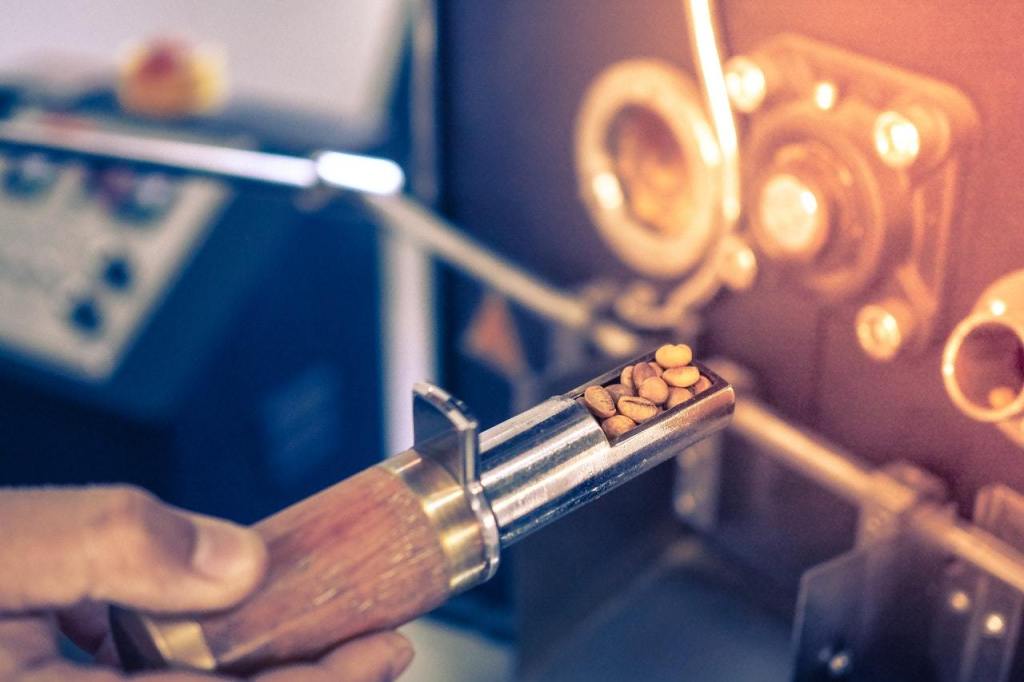
Professional coffee knowledge exchange more coffee bean information please follow the coffee workshop (Wechat official account cafe_style) [basic knowledge and training of coffee roasters] 1. Law of moisture content and flavor of coffee II. Coffee bean defect category selection 3. Analysis of characteristics of Bean baking Appliances Application of 4.ROR 5. Baked bean curve identification 6. Physical changes and chemical reactions caused by temperature layer and time 7. Caramelization and
Coffee Knowledge Boutique Ingredients in Coffee Beans
Sugar: In the absence of sugar, in addition to sensing the bitterness of caffeine and the sourness of tannin, it will also sense the sweetness, which is caused by the sugar contained in the coffee itself. Most of the sugar will caramelize after roasting, giving the coffee a strange brown color. Minerals: Taoist ash, iron, sulfur, sodium carbonate, phosphorus, chlorine, silicon, etc., due to the small proportion

Analysis of main components of cooked Coffee beans in Yunnan
Follow Ka Pin (Wechat official account vdailycom) found that the beautiful cafe opened a small shop of its own-Shenyang, the birthplace of China, has a lot of authentic cuisine. There is a melting pot of culture. the ancient city with a history of more than 5000 years, the first capital of the Qing Dynasty, was once called Xishui, Fengtian, Shengjing and so on. There are Hui, Xian and Japanese communities there.